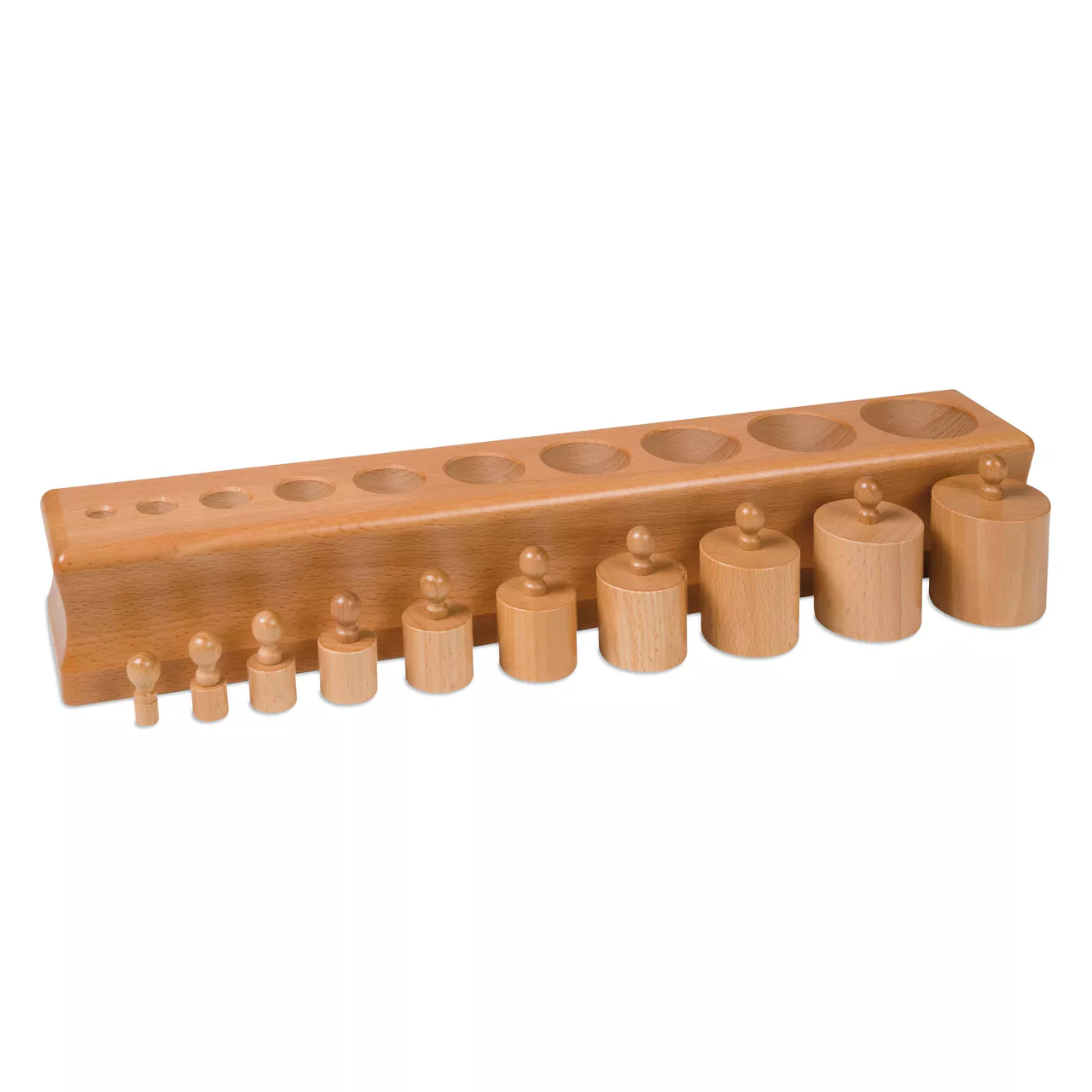
Sensorial
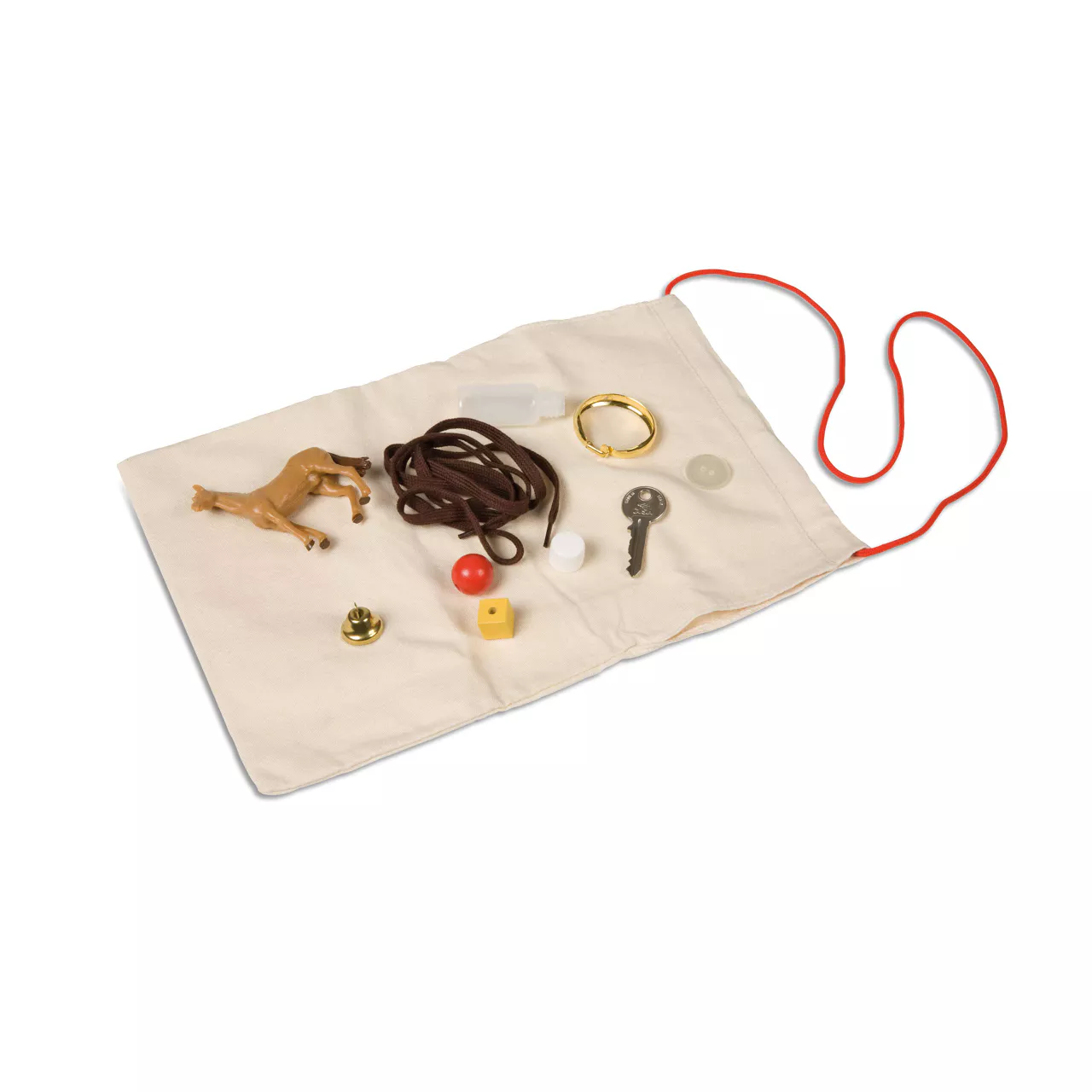
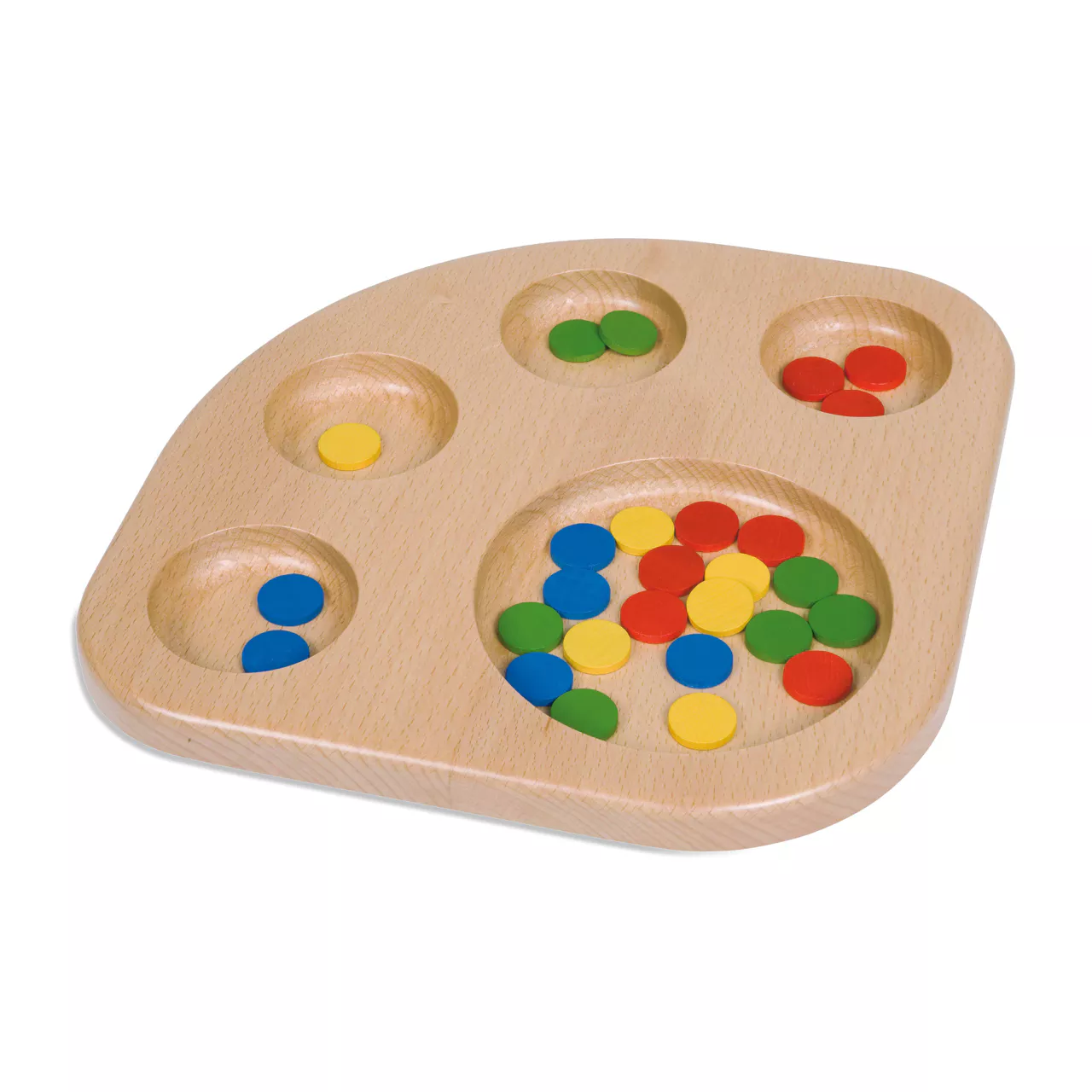
Sensory Education is one of the core areas of the Montessori method, helping children develop their intelligence through training and refining their senses: sight, hearing, touch, smell, and taste. Through scientifically designed and error-controlled learning materials, children learn to recognize, compare, classify, and remember the characteristics of the world around them naturally and profoundly.
Main Sensory Learning Material Groups:
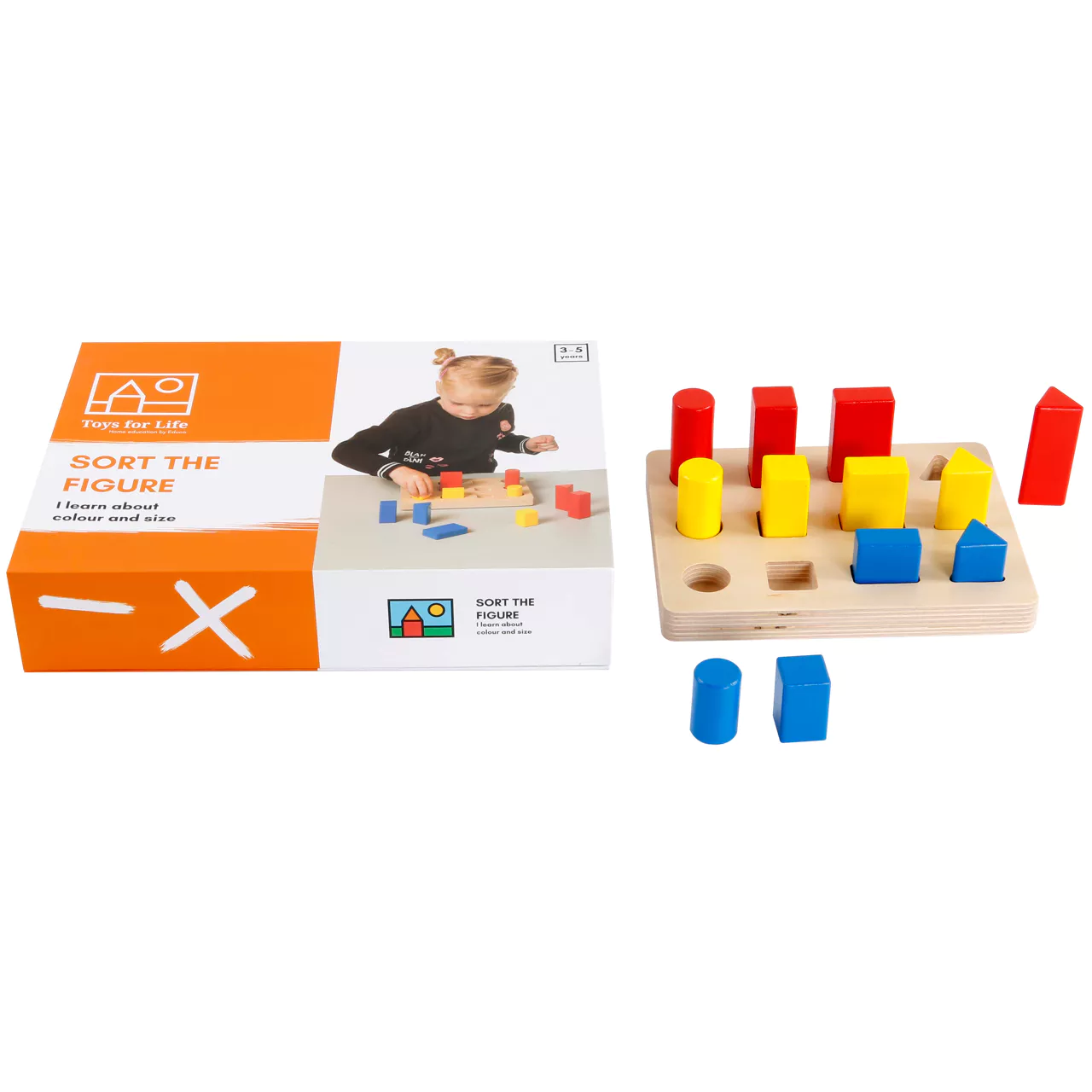
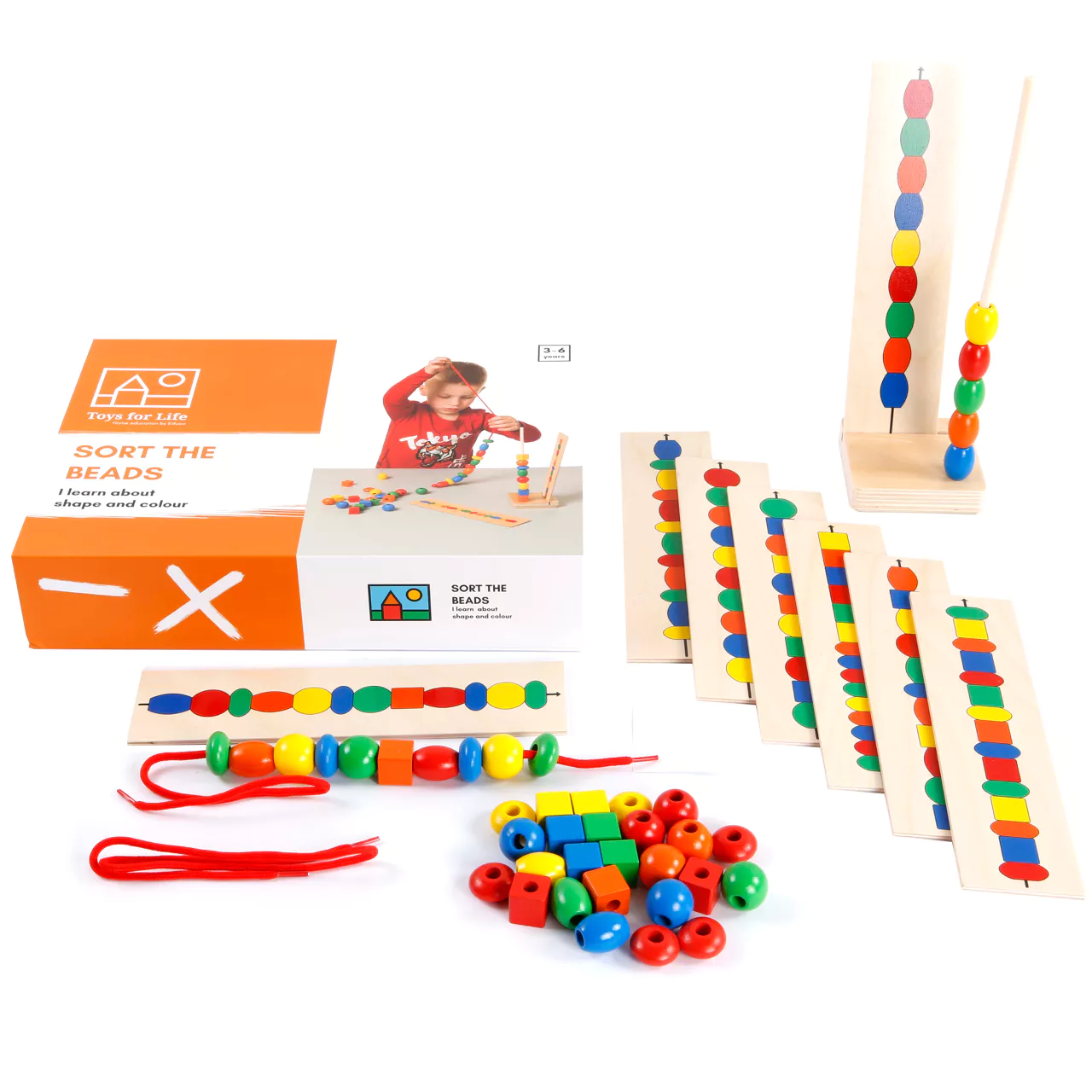
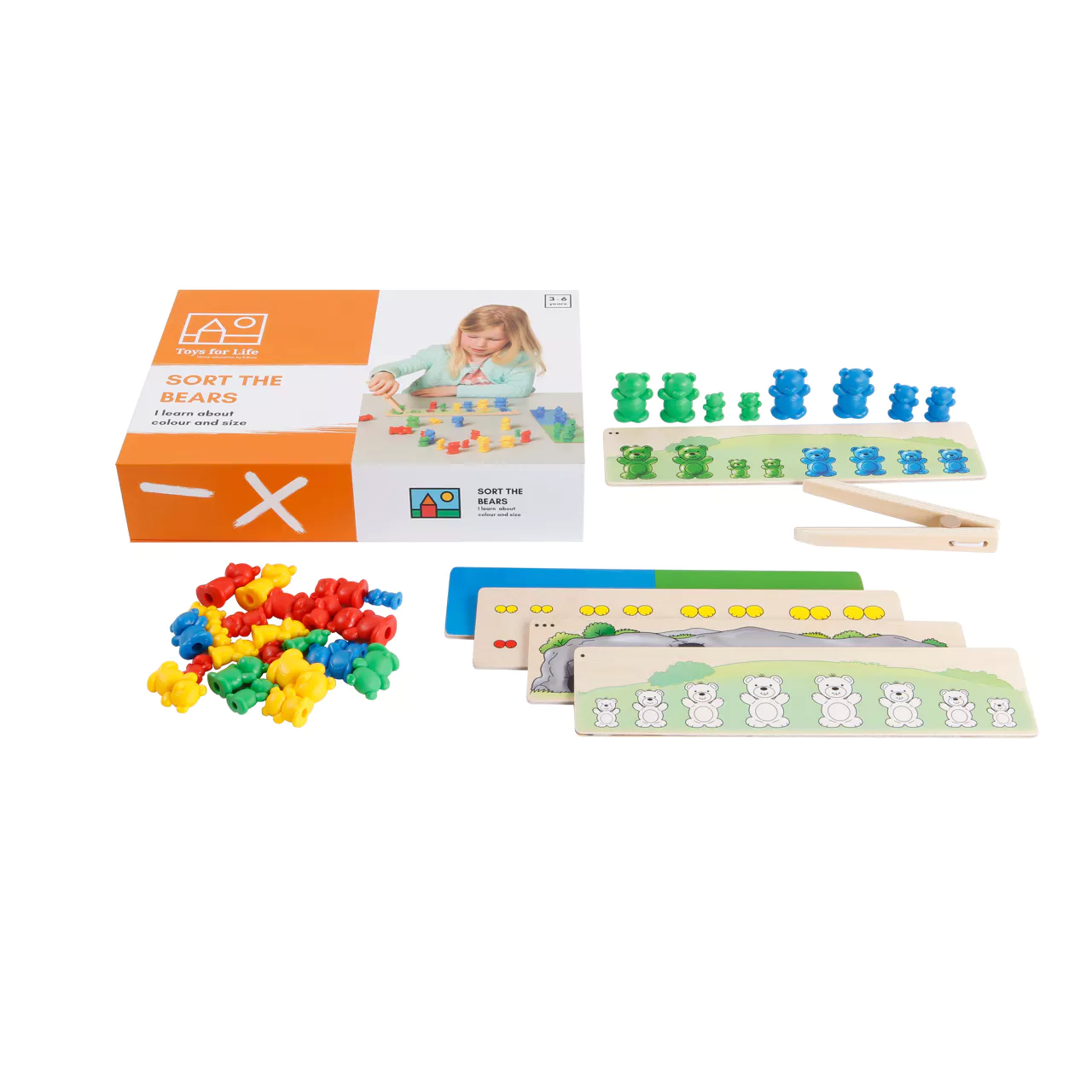
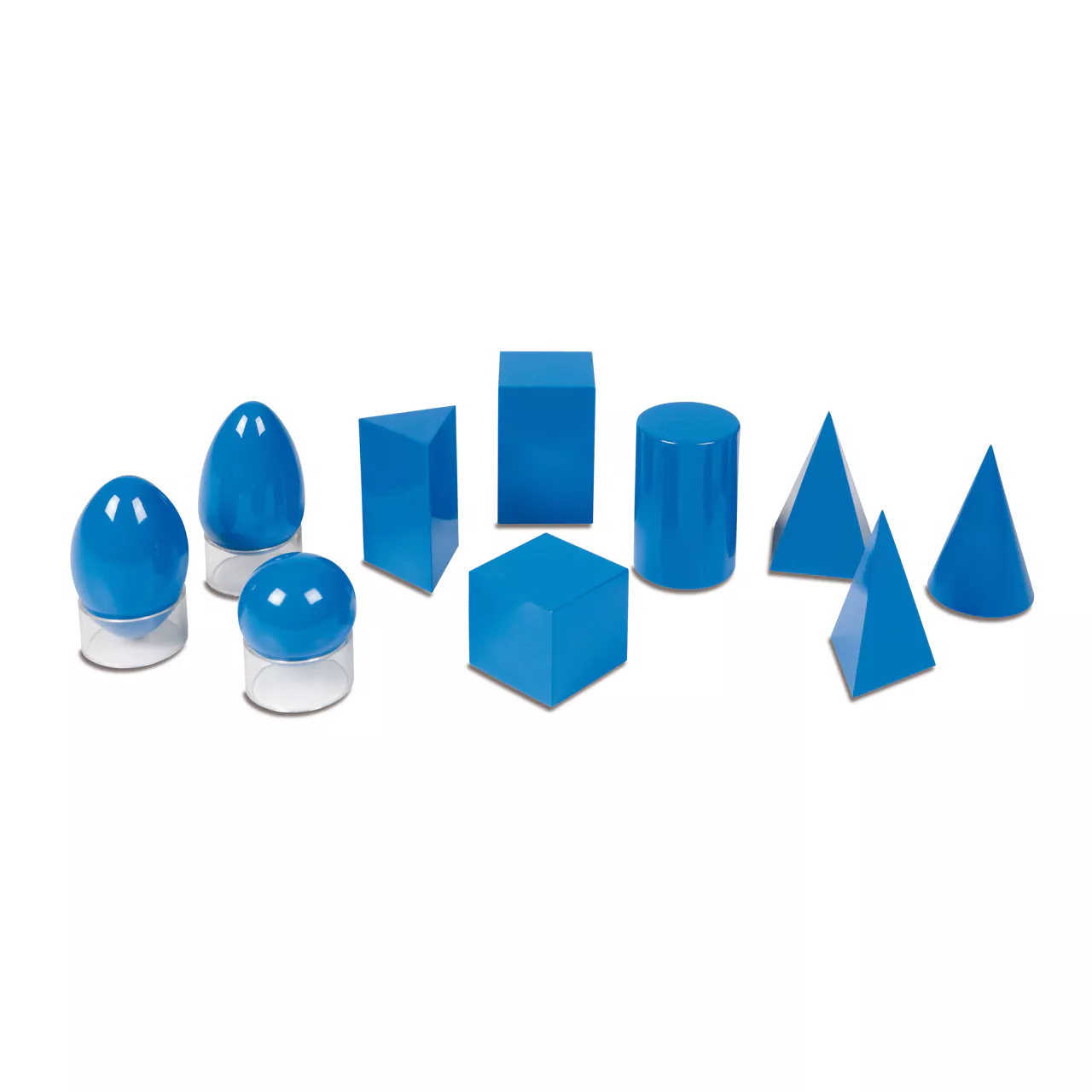
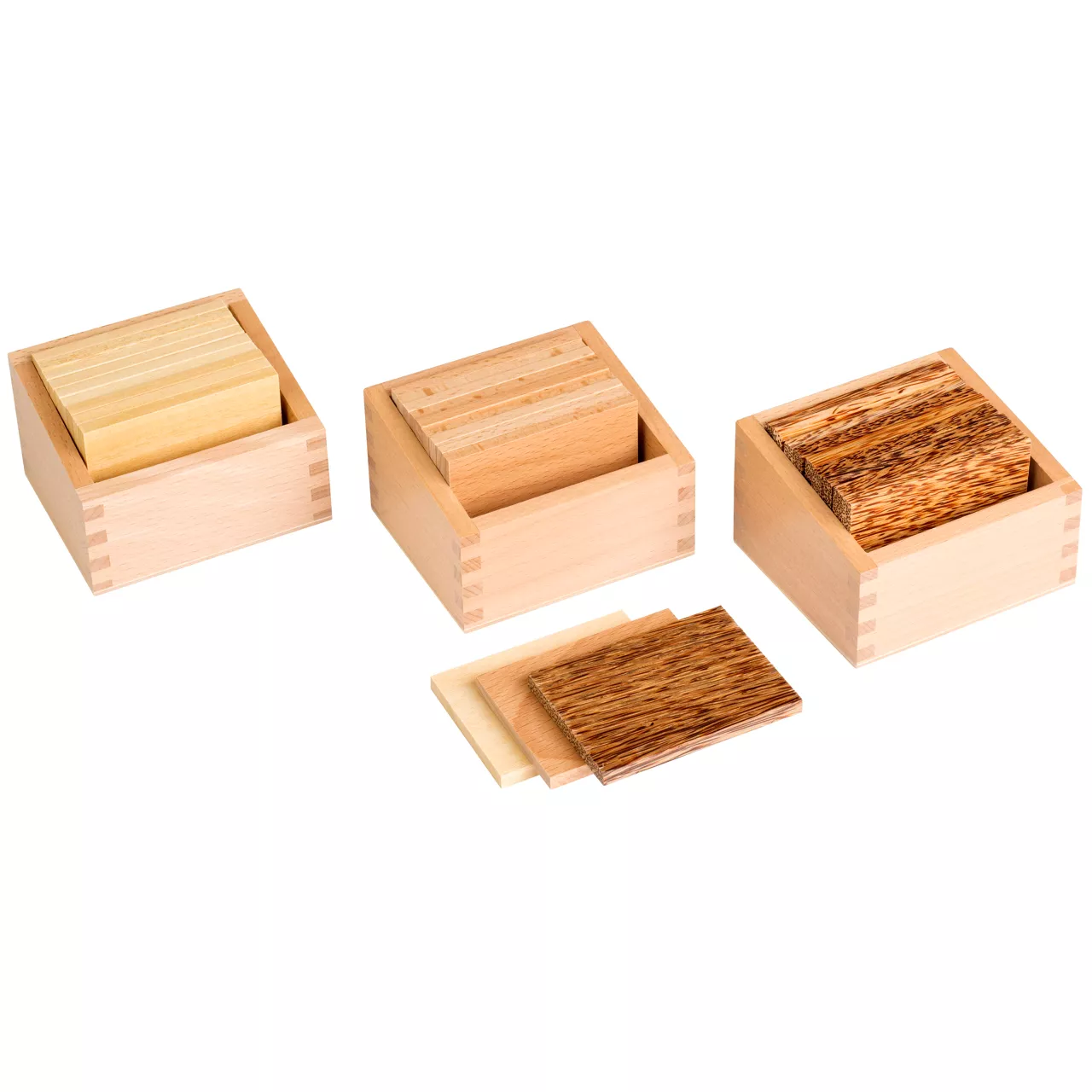
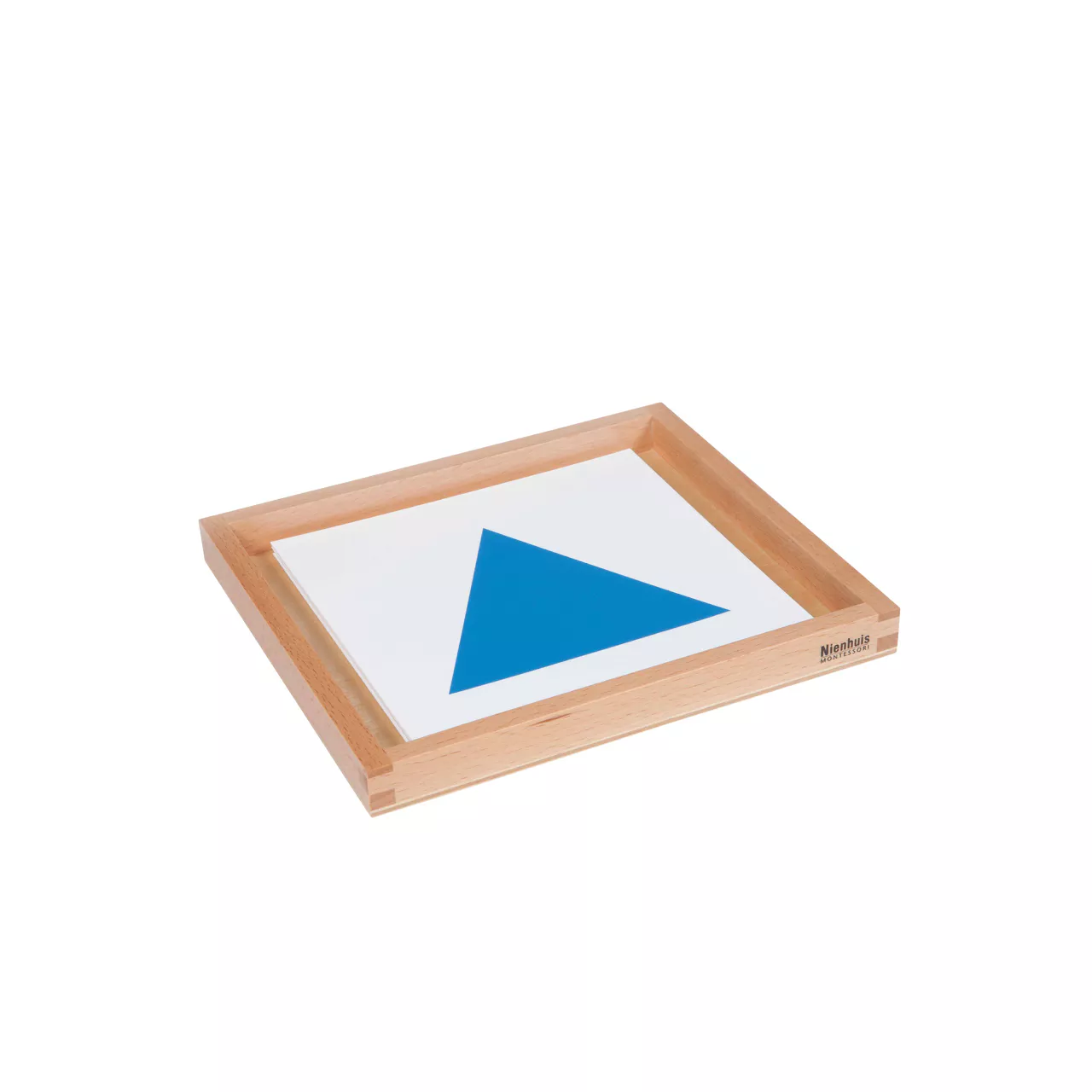
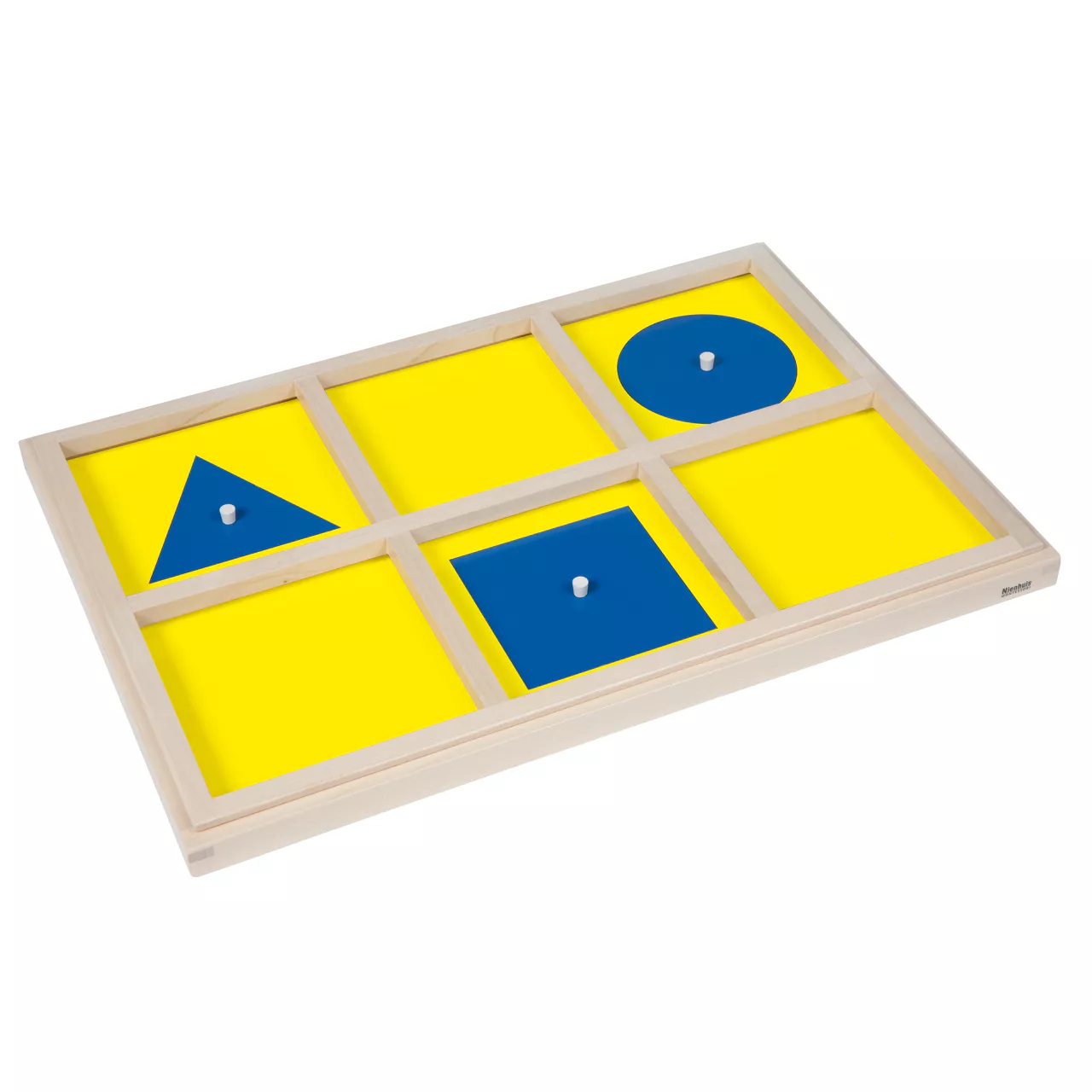
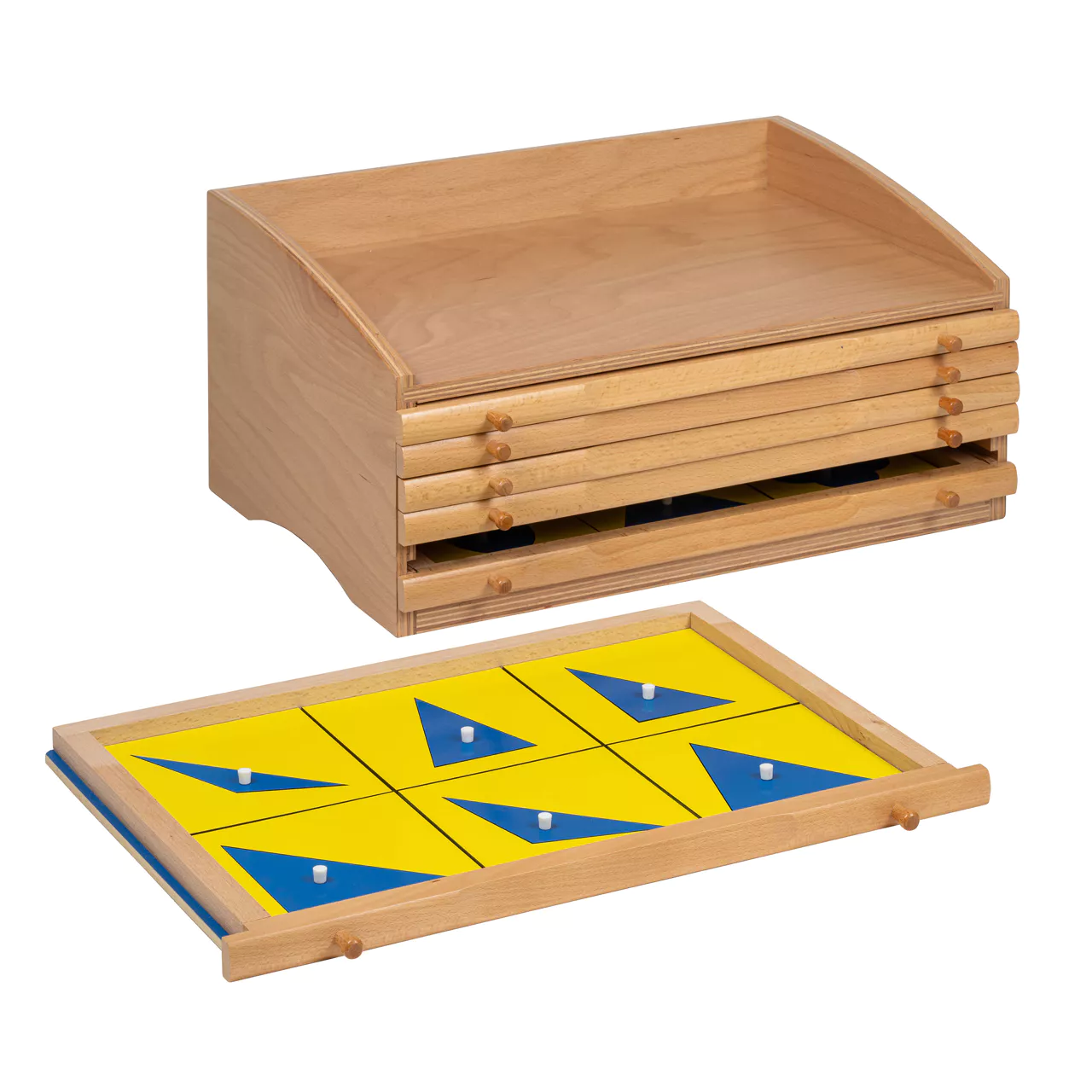
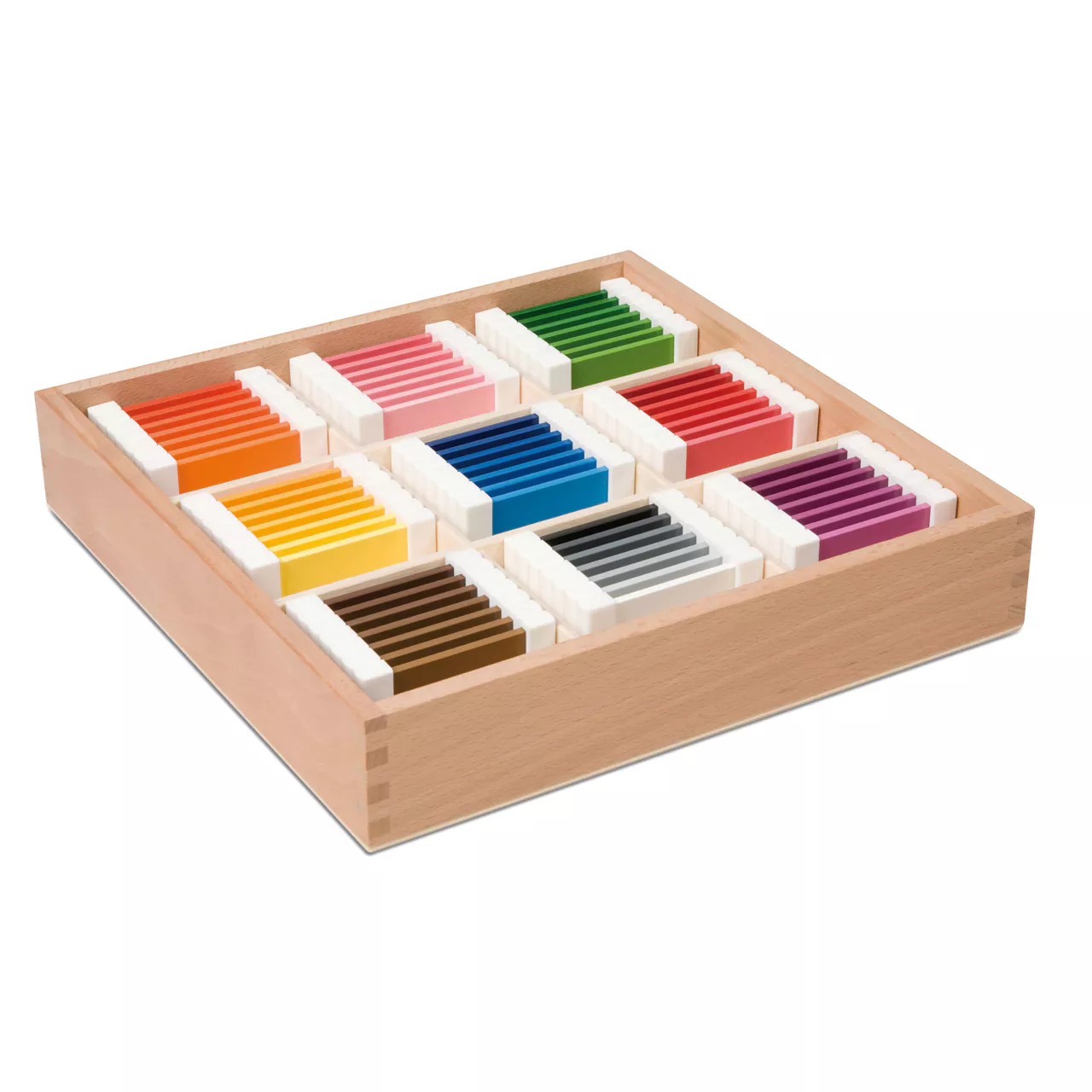
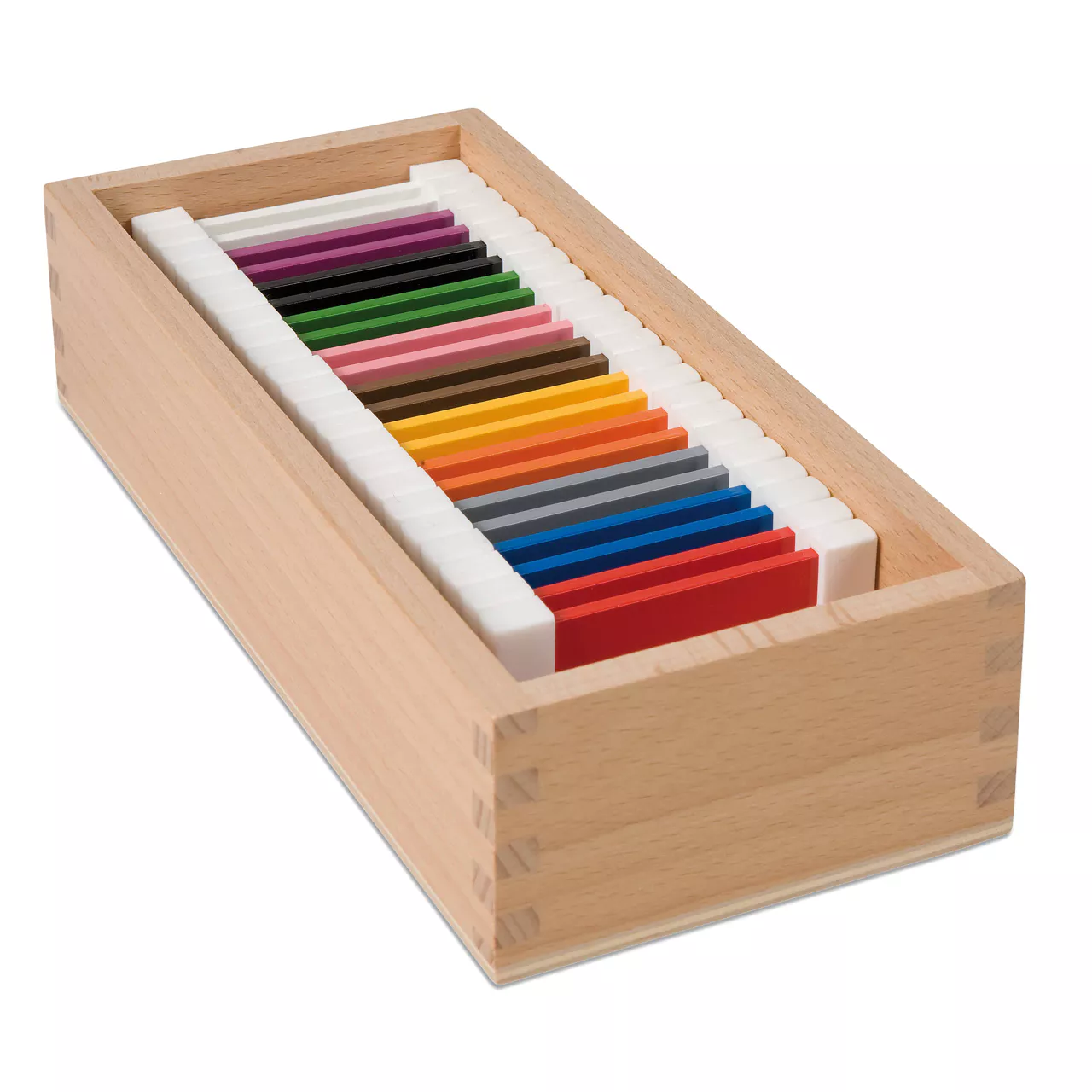
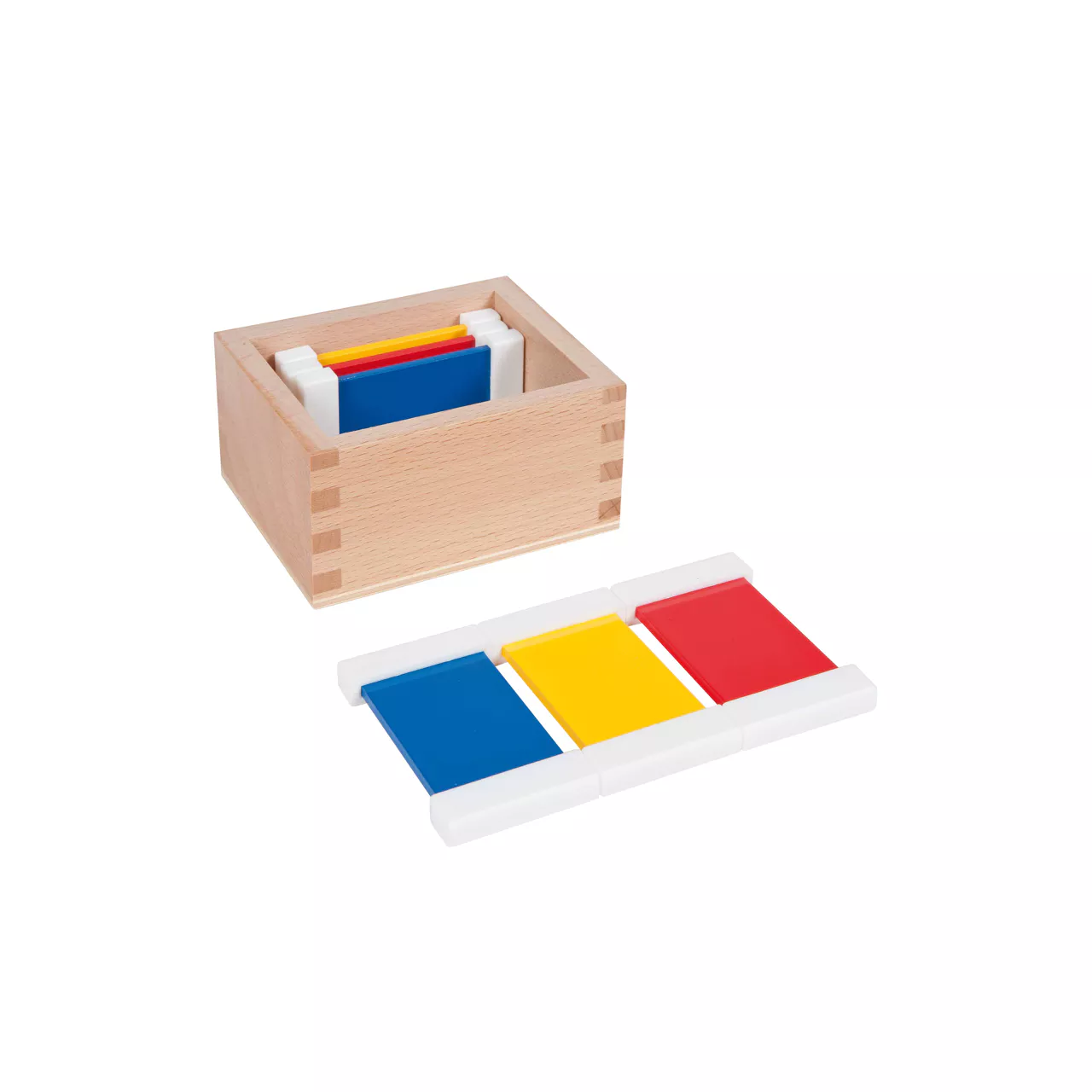
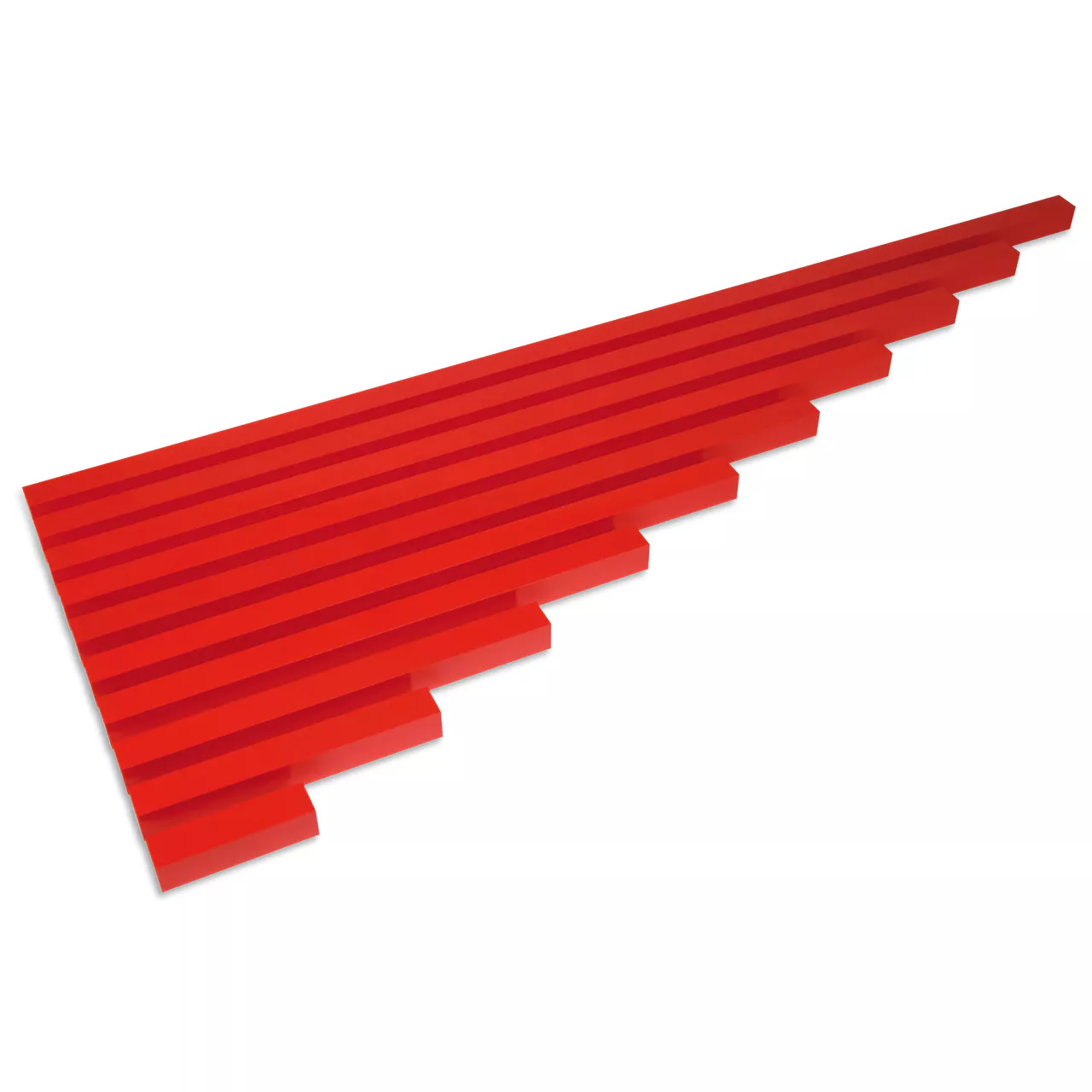
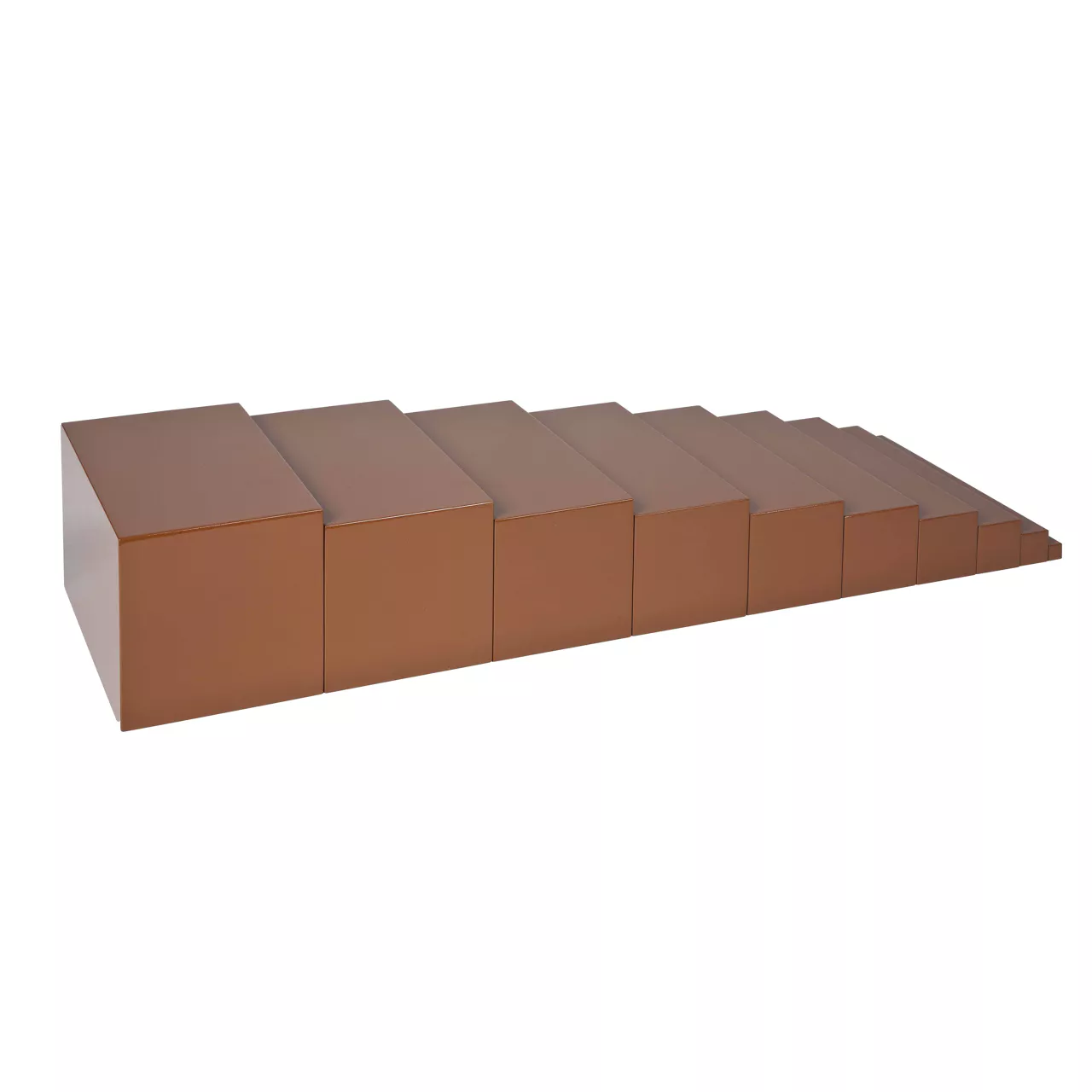
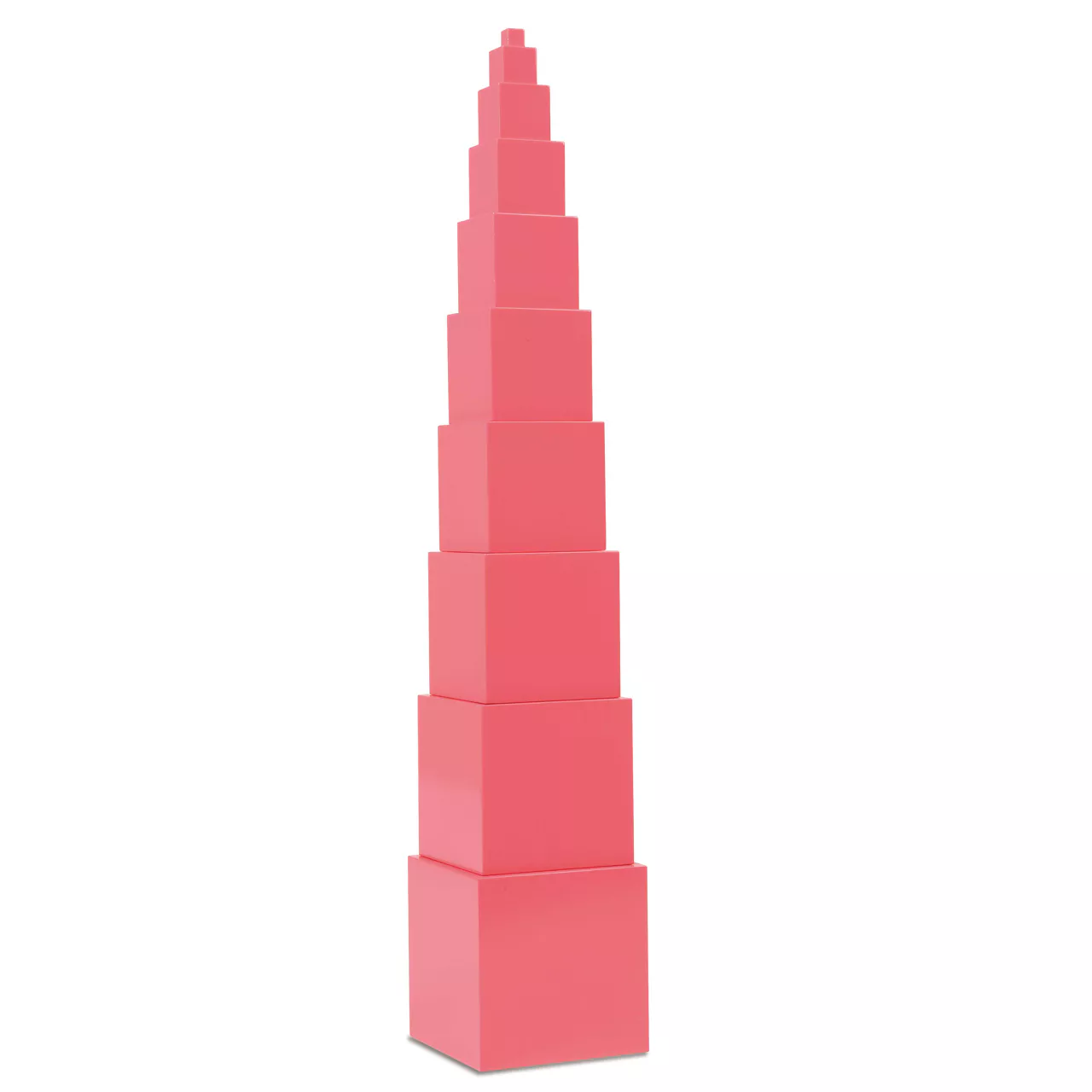
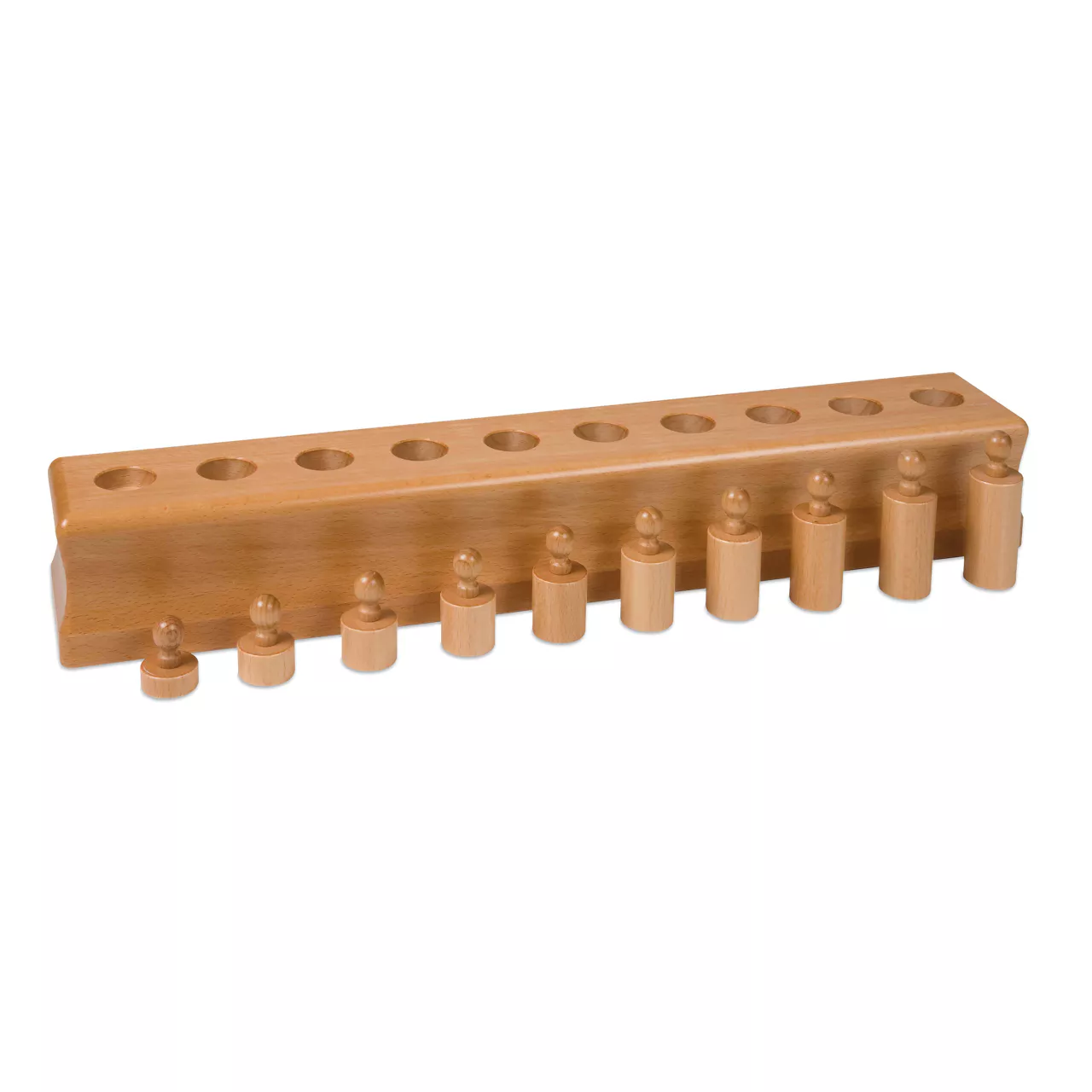
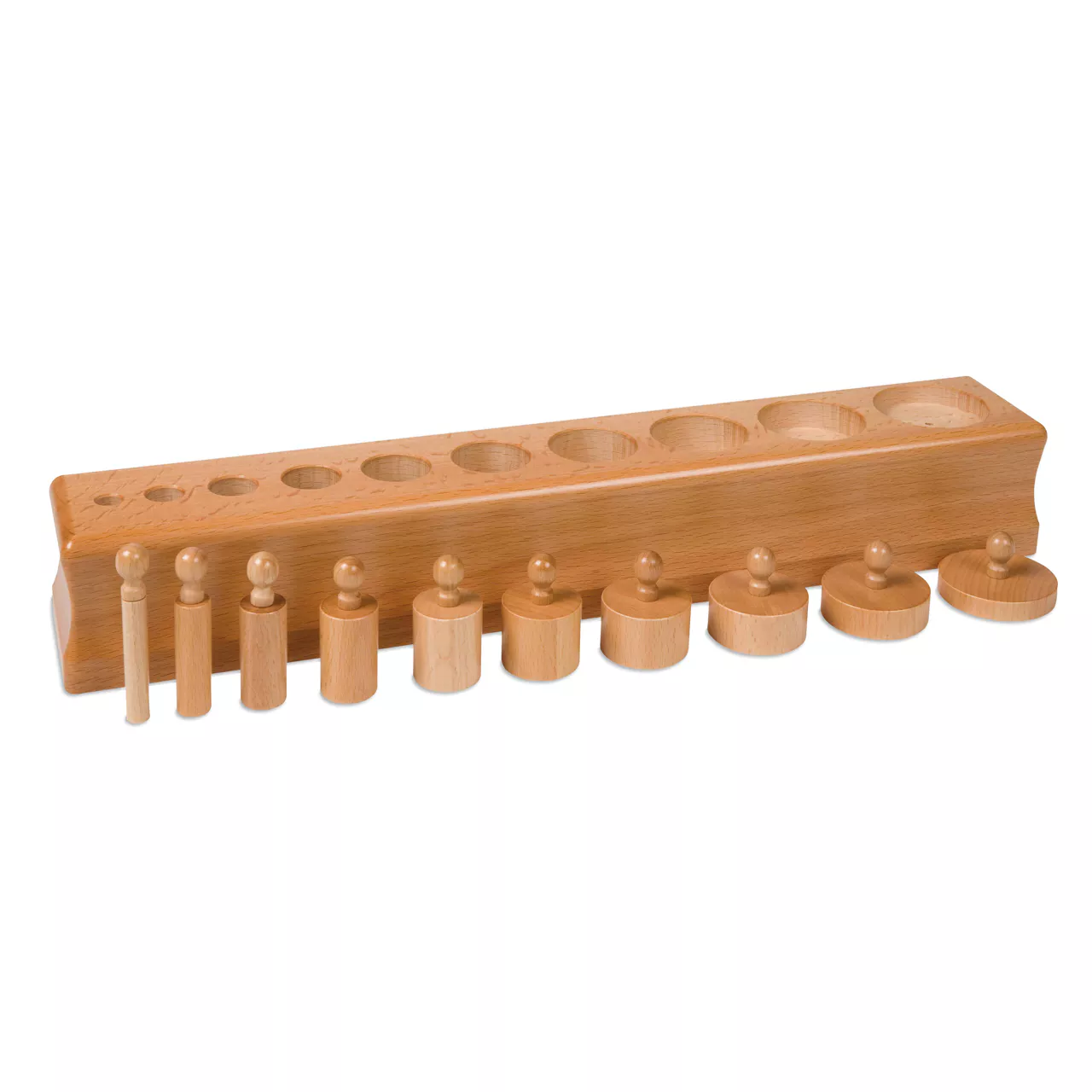
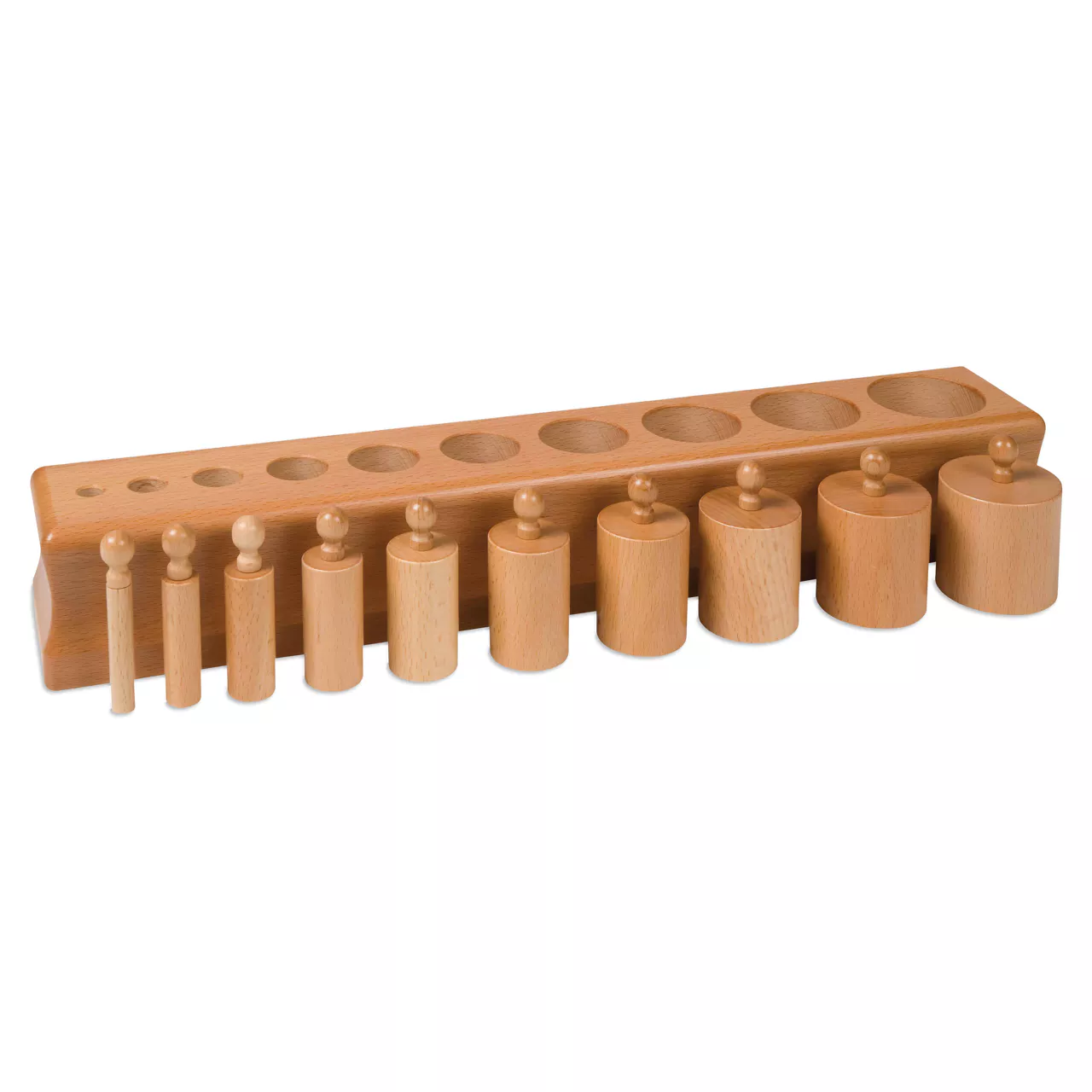
- Sight: shapes, sizes, colors, thickness, height, width.
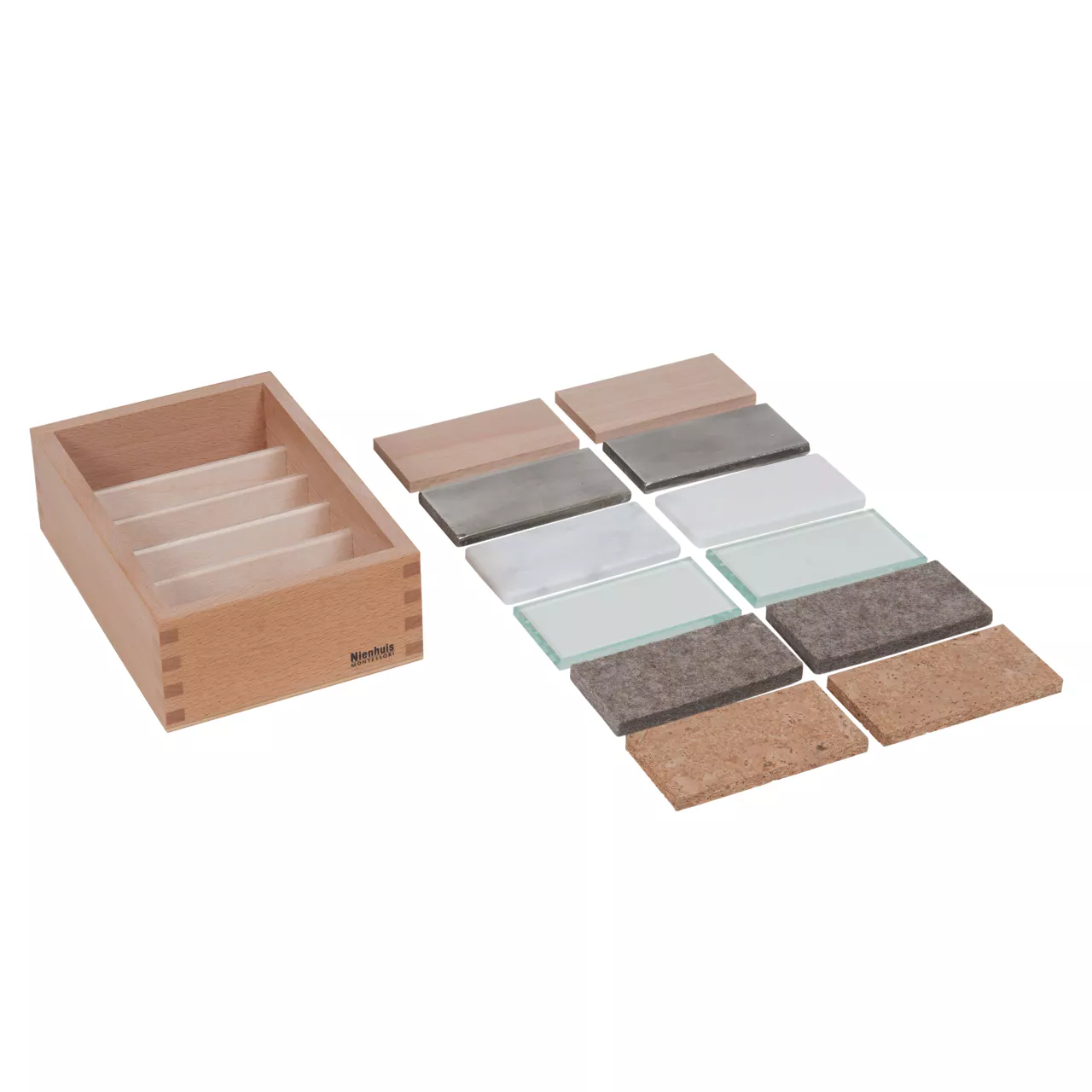
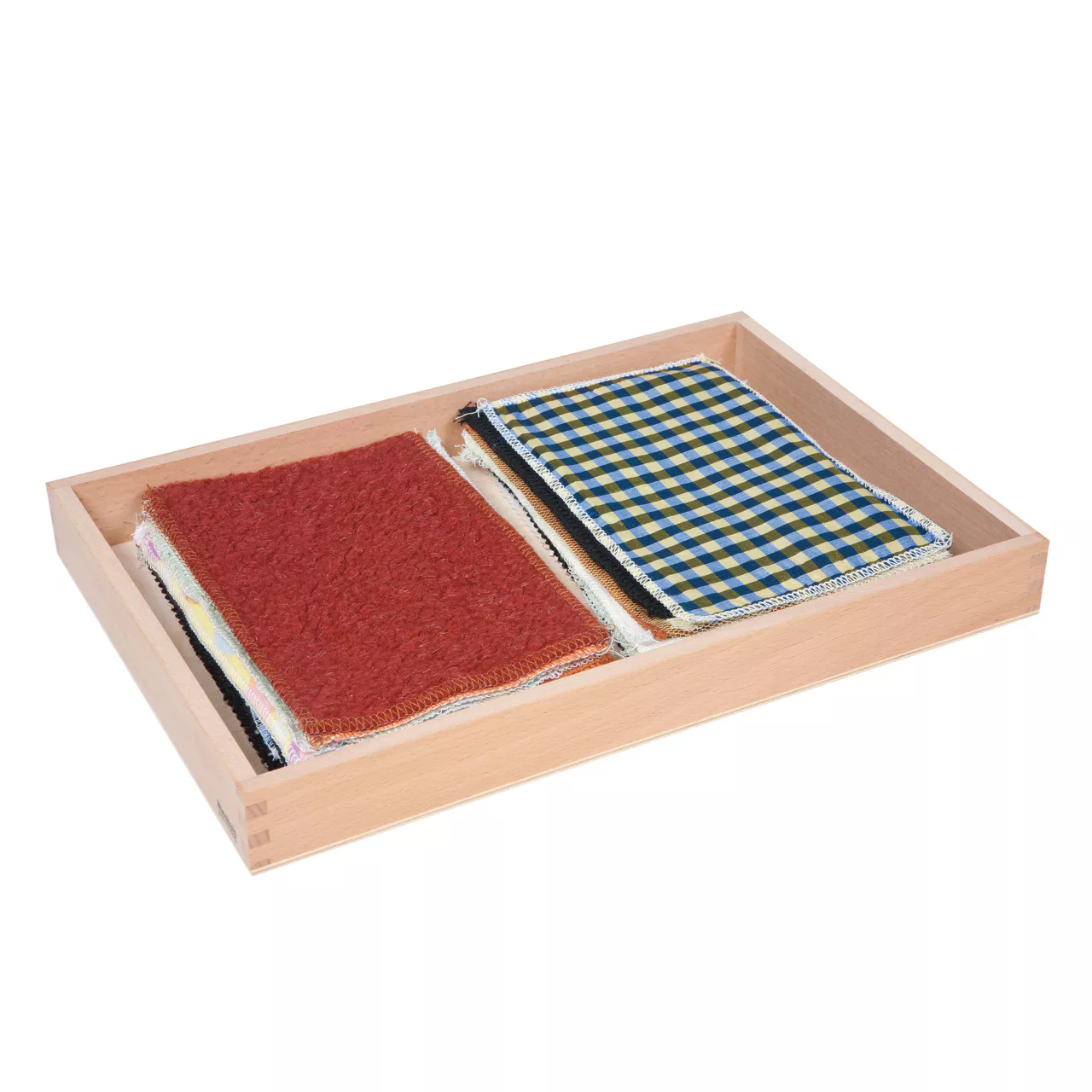
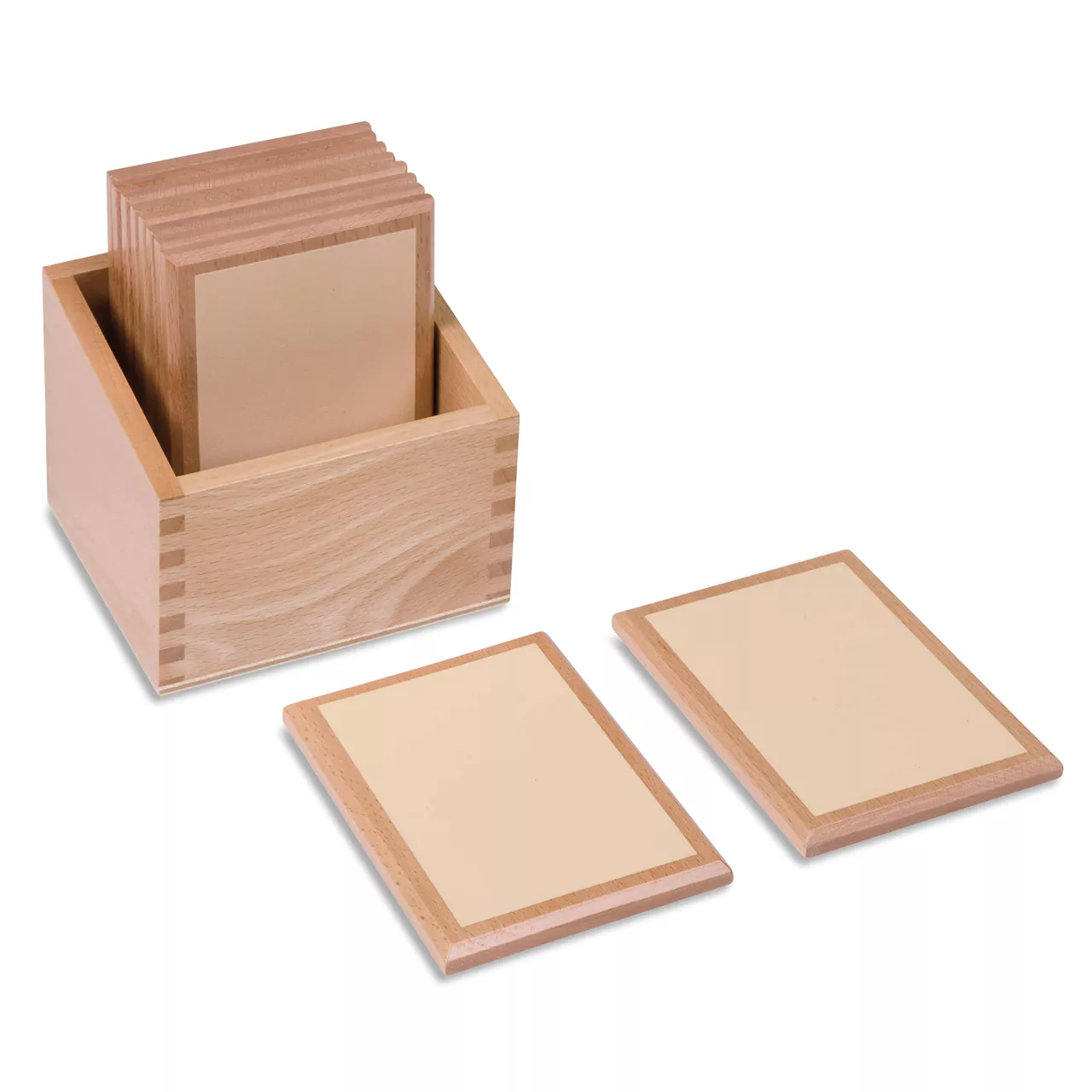
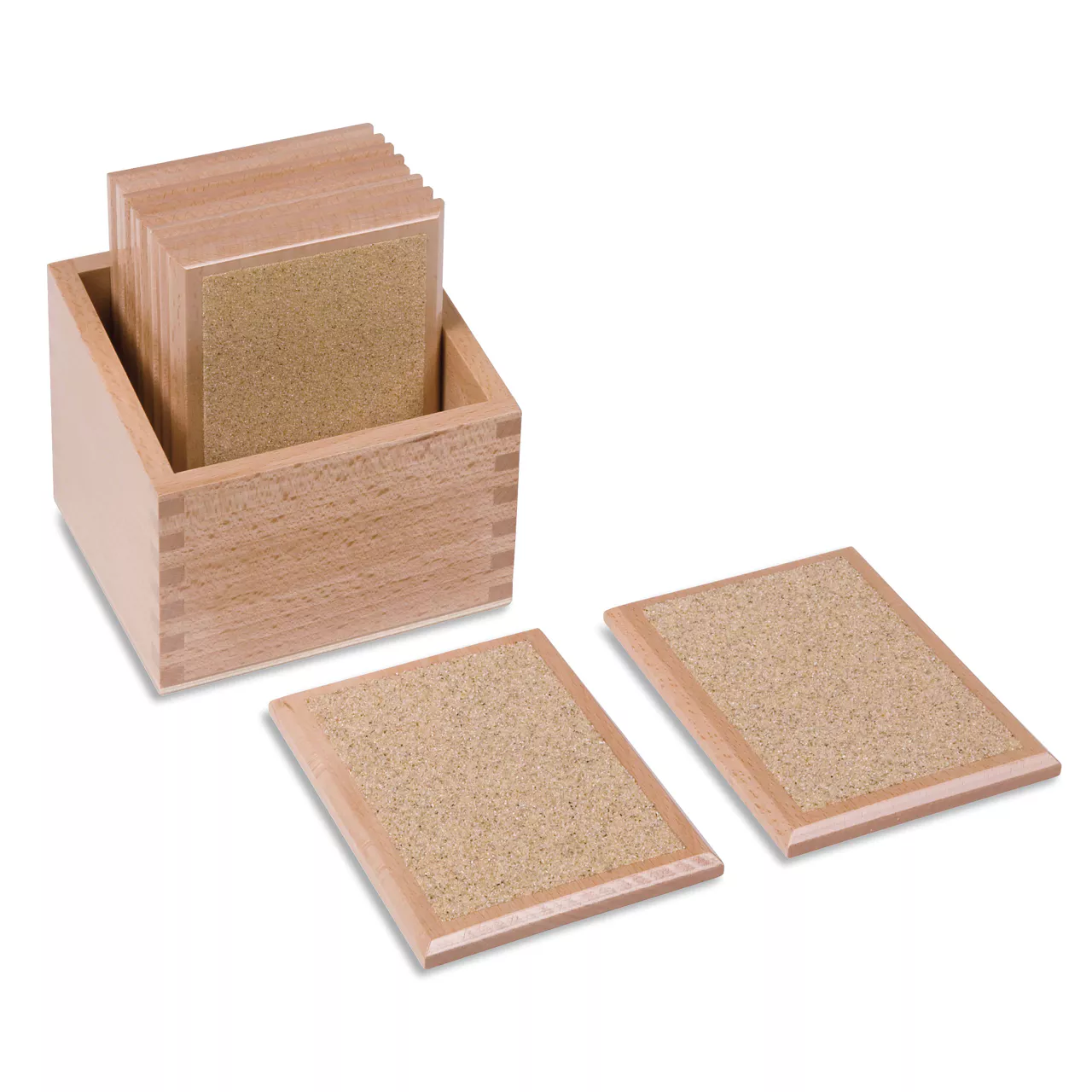
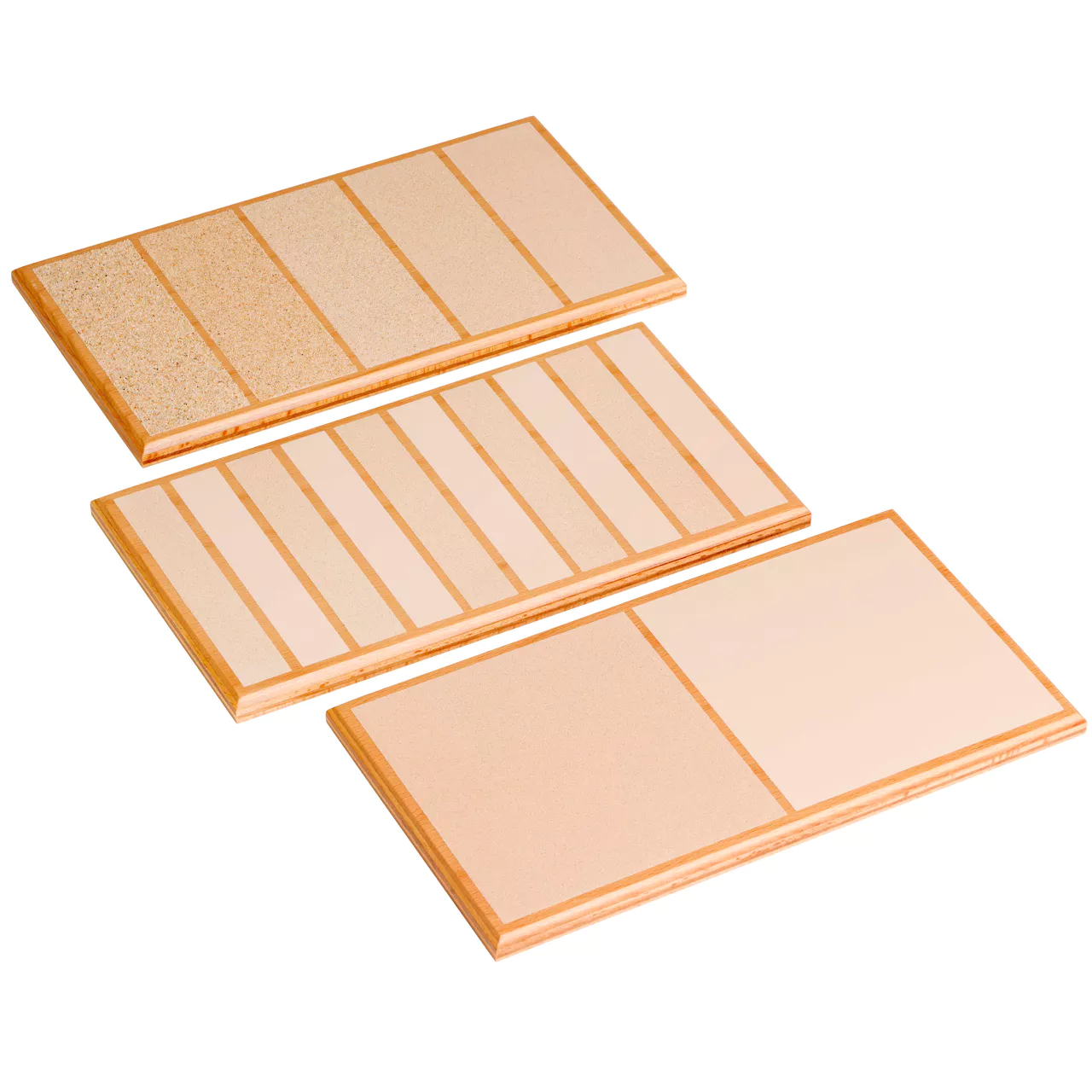
- Touch: rough and smooth surfaces, hot and cold, hard and soft, perceiving shapes through touch.
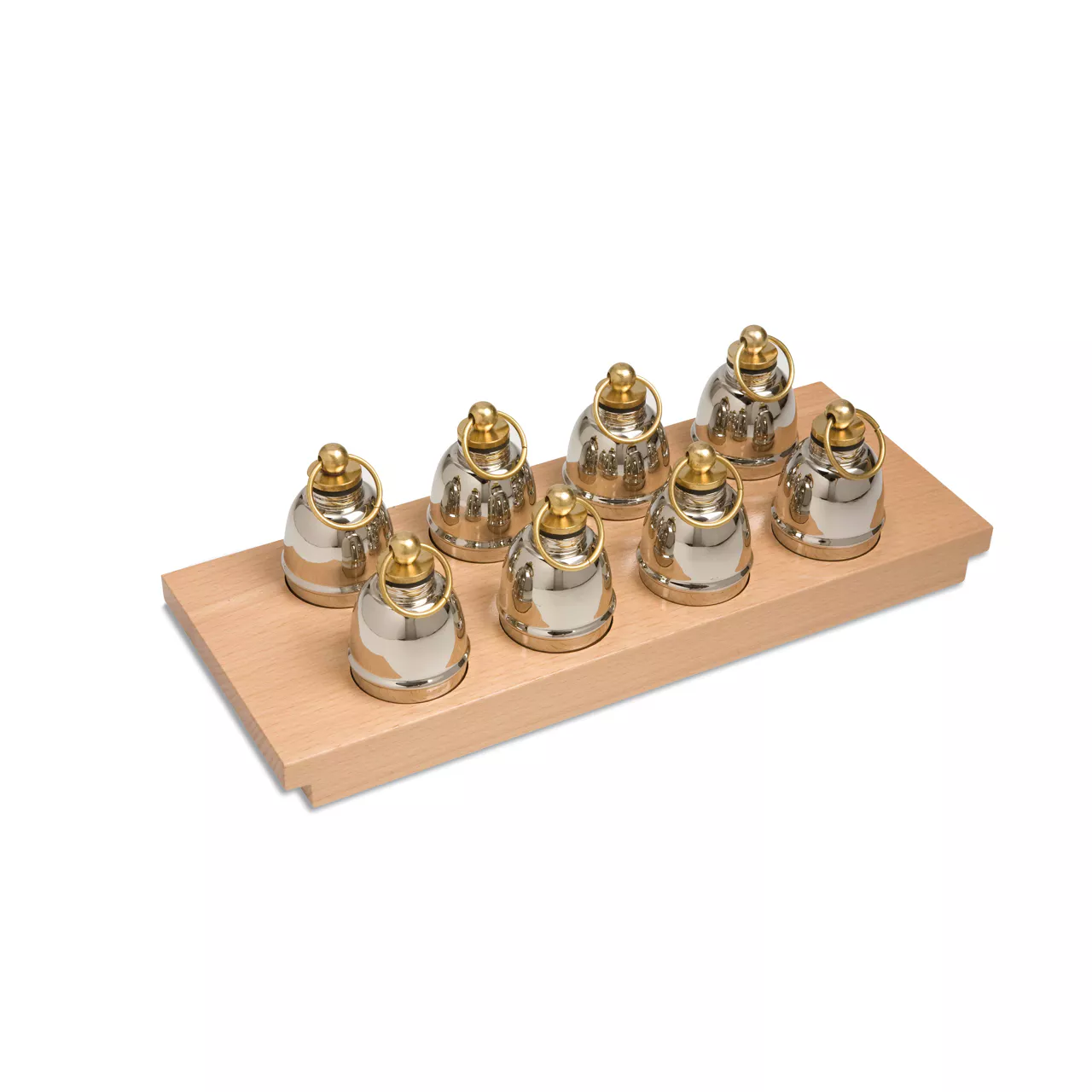
- Hearing: distinguishing loud and soft sounds, high and low pitch, rhythm.
- Smell & Taste: recognizing and comparing basic scents and tastes (sweet, salty, sour, bitter) in a controlled environment.
Suitable Age
The Sensory Area is suitable for children aged 2.5–6 years, a stage where children have a strong need to explore the world through their senses and movements. Lessons are arranged from simple to complex, helping children progress at their own pace.
Montessori Sensory Materials
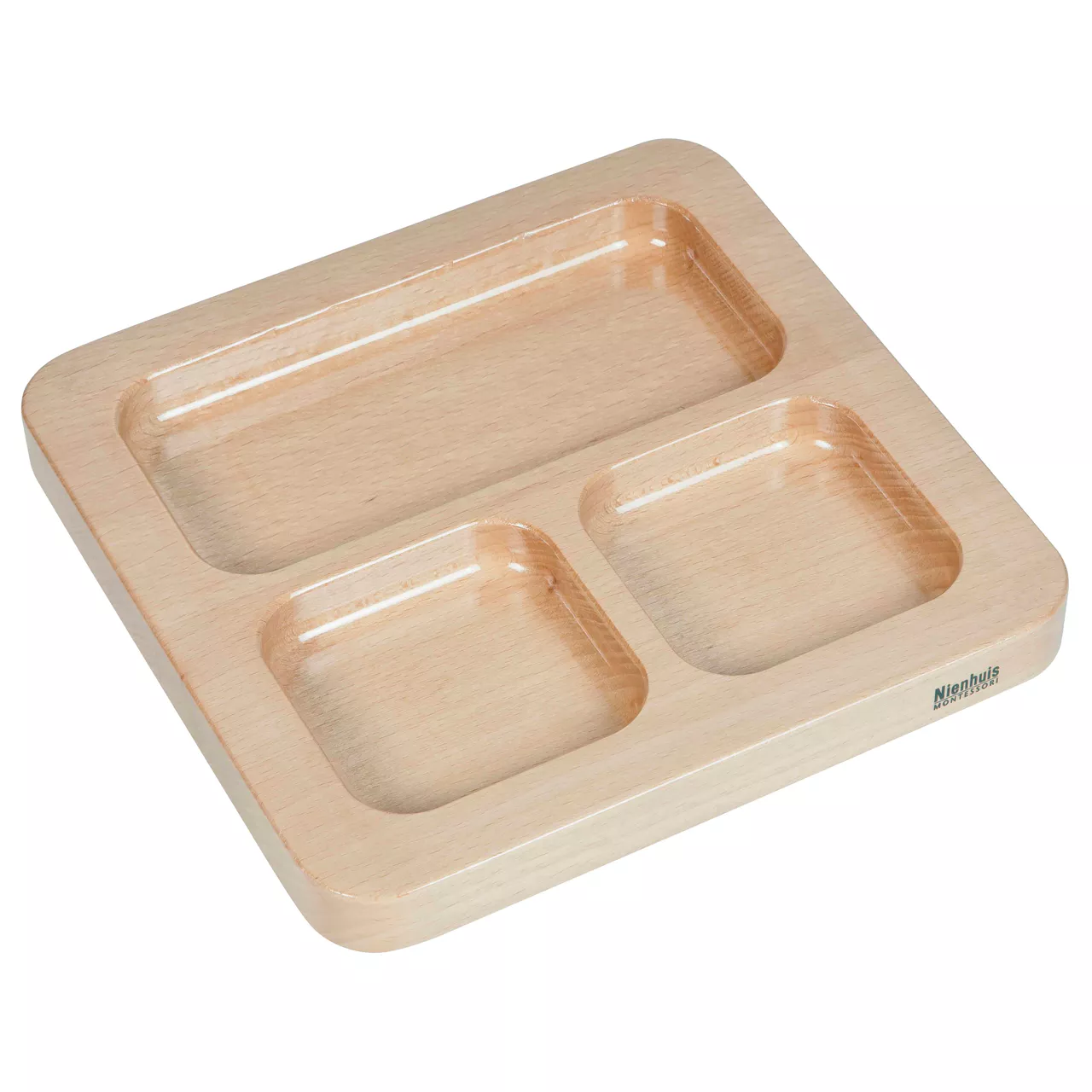
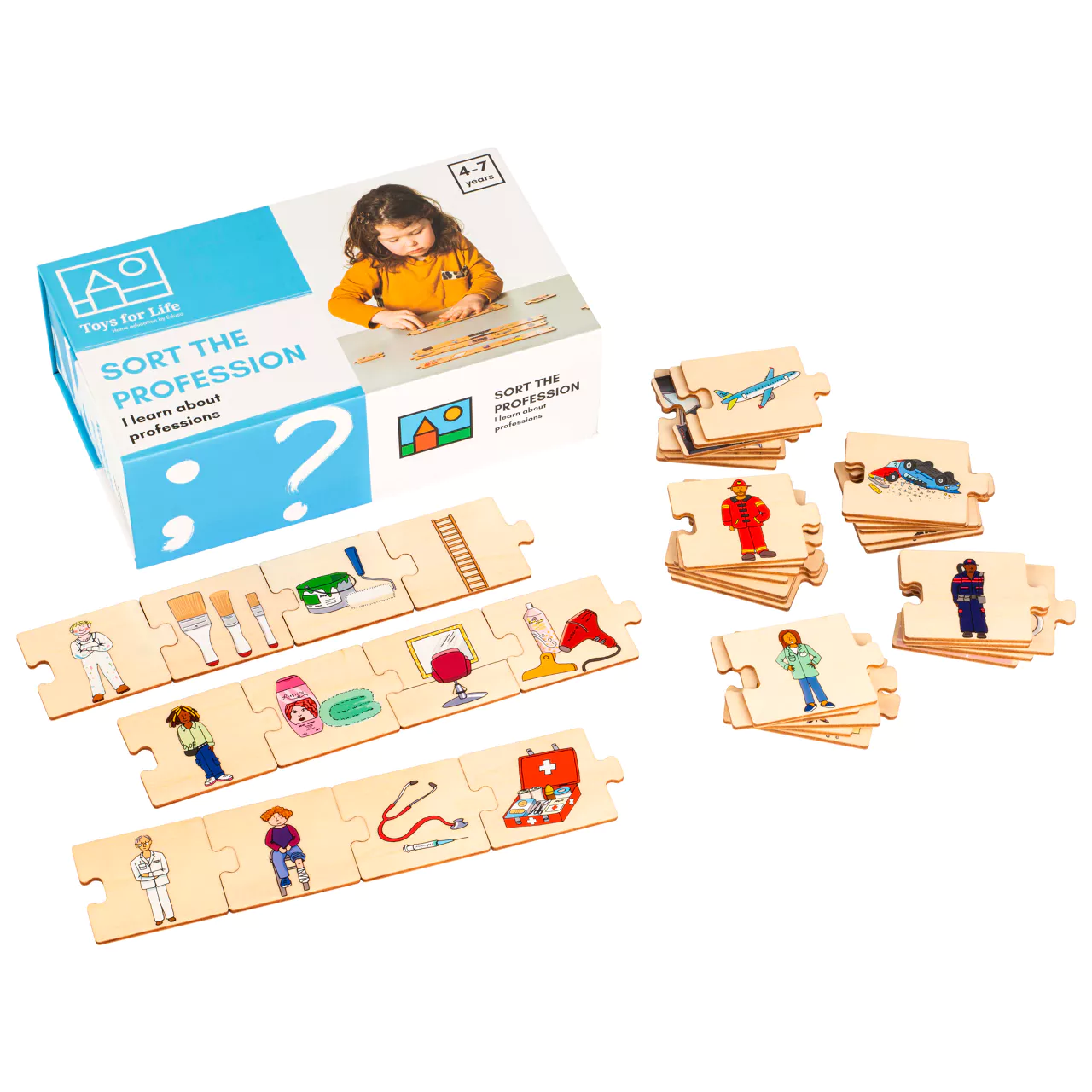
Montessori Sensory Materials are designed to focus on a single characteristic at a time, helping children easily observe differences and self-correct errors. The materials are safe, aesthetically pleasing, and sized to fit children's needs, supporting independent and sustainable learning.